In today's fast-paced modern households, the convenience and hygiene of kitchen cleaning have become increasingly valued. Traditional cloths tend to harbor bacteria and require frequent washing, while ordinary paper towels tear easily when wet and offer limited functionality. The advent of retractable kitchen cloths (also known as "lazy wipes") perfectly balances the strengths of both, emerging as the new mainstream for kitchen cleaning. Not only has it transformed traditional cleaning habits, but it also conceals many insights into materials, design, and usage.
First. What is an extractive kitchen cloth?
Pull-out kitchen wipes are a type of cleaning product made from disposable or reusable materials and packaged in pull-out boxes (or rolls), featuring the core characteristic of "easy pull-out and use, discard after use (or simple cleaning for reuse)." Compared to traditional cotton rags, they eliminate the need for repeated scrubbing and drying; while compared to regular kitchen paper towels, their material is more durable and offers stronger cleaning power, making them suitable for various kitchen scenarios.
This type of cloth is typically made from food-grade safe materials, allowing direct contact with dishes and food surfaces, thereby eliminating the risk of cross-contamination from traditional cloths at the source, making it particularly suitable for modern households' high hygiene standards.
Second. Core Material Analysis: Determining Cleaning Effectiveness and Safety
The material is the core of extractive kitchen cleaning cloths' performance. Currently, the mainstream material is based on non-woven fabric, which has evolved into various composite types. Different materials are suitable for different cleaning needs:
Needle-punched nonwoven fabric: The most common base material, formed by interlacing fibers through high-pressure water jets, featuring softness, strength, and lint-free properties. High-quality variants are typically cotton or wood pulp composite needle-punched fabrics, offering excellent water and oil absorption, maintaining toughness even when wet. Suitable for routine cleaning of countertops, stovetops, tableware, and other common scenarios, with most meeting food-grade contact standards, free from harmful substances like fluorescent agents or bleaches.
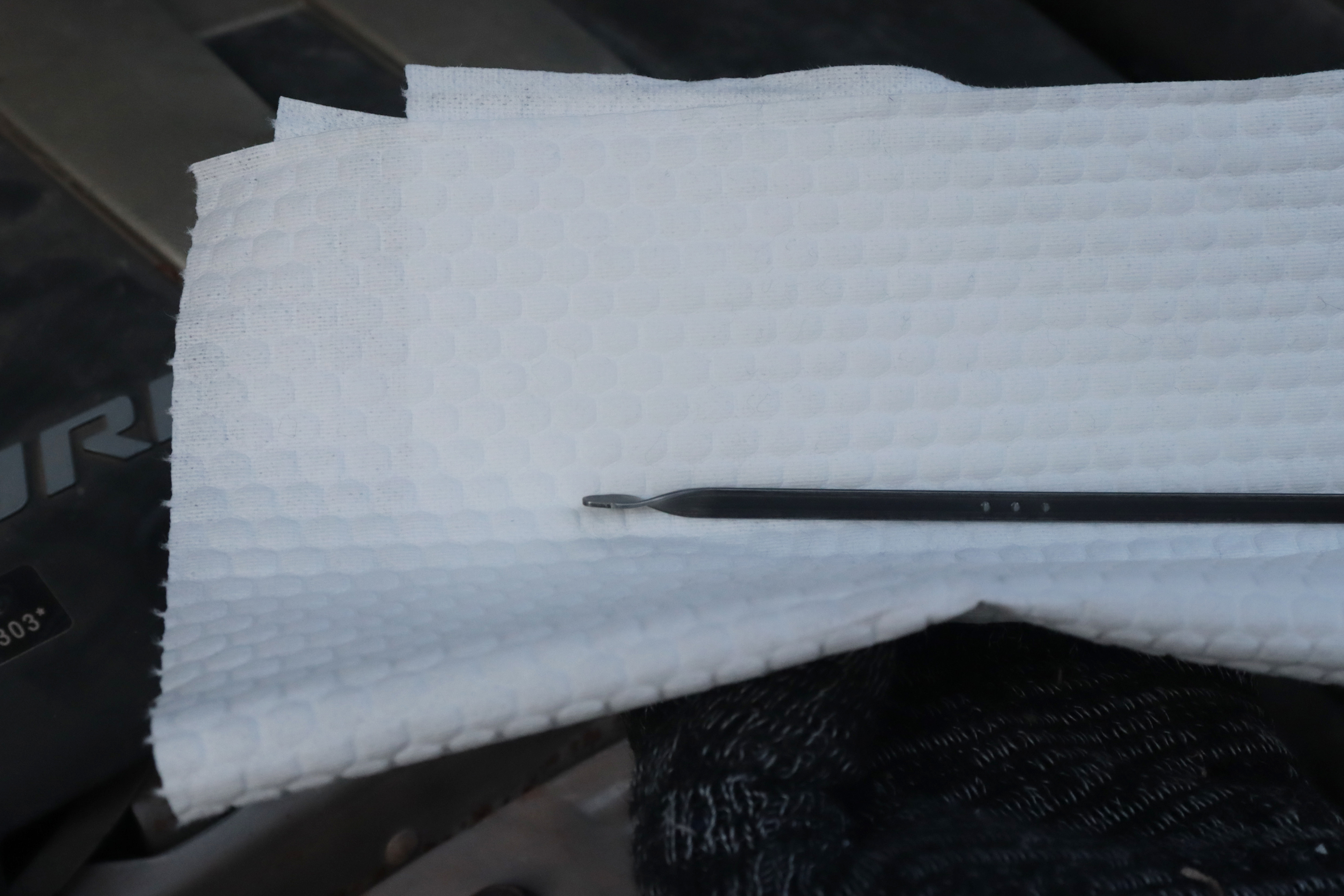
Thickened composite material: Built upon the water-jet spun fabric, it features increased thickness (commonly 40-60g/m²) with added textures like grid patterns or linen leaf designs to enhance stain removal and wear resistance. These wipes can tackle stubborn oil stains and even replace scouring pads for cleaning cookware surfaces without easily tearing. Some products allow 3-5 reuse cycles after washing, combining practicality with cost-effectiveness.
Biodegradable eco-friendly material: Made from plant fibers (such as bamboo pulp and bagasse), it can naturally decompose after use, reducing environmental burden. Suitable for eco-conscious households, though its durability is slightly lower than traditional non-woven fabric, making it more ideal for light cleaning scenarios like wiping water stains and dust.
Third. Compared to traditional cleaning tools, its core advantages
The extractable kitchen cloth can quickly gain widespread adoption, essentially addressing the pain points of traditional cleaning tools with outstanding advantages
Maximum hygiene, preventing bacterial growth: Traditional cloths remain damp for extended periods and repeatedly come into contact with oil stains and food residues, making them an ideal "incubator" for bacteria like Escherichia coli and Staphylococcus aureus. According to tests by the Chinese Center for Disease Control and Prevention, kitchen cloths used for over three days can harbor up to 1.2×10⁷ CFU/cm² of bacteria—11.6 times the level found on toilet seats. In contrast, disposable wipes are used and discarded immediately or can be washed and replaced promptly, effectively cutting off the pathways for bacterial reproduction and cross-contamination.
Efficient and convenient, saving time and effort: No need for washing or drying. Simply pull it out during cooking to remove grease stains and splattered soup, and clean the countertop, tableware, and sink area in one go after meals, completely eliminating the hassle of scrubbing greasy rags. Some products come with a hanging package that can be fixed to kitchen walls or cabinet doors, allowing one-handed retrieval and compact storage without taking up space.
Dry and wet dual-purpose, highly adaptable to various scenarios: in dry conditions, it absorbs dust and food crumbs; when wet, its cleaning power is enhanced, effortlessly breaking down grease, water stains, and even allowing use with baking soda water or detergents. Suitable for stoves, range hoods, glassware, refrigerators, and more. Some high-temperature-resistant materials ensure no harmful substances are released when in contact with hot pots or microwave interiors.
Outstanding cost performance, more cost-effective for long-term use: With a single sheet priced as low as a few cents, a pack (80-100 sheets) can last 1-2 months. Compared to frequently replaced traditional rags (which age easily, harbor bacteria, and require regular disposal) and high-consumption ordinary paper towels, the long-term cost is significantly lower. The reusable version further reduces consumption, balancing economy and practicality.
Fourth. Shopping Guide: Avoid Pitfalls and Choose the Right Fit for You
The market offers a wide variety of detachable kitchen sponges, making it easy to make mistakes when purchasing blindly. Mastering the following points can help you avoid pitfalls effectively
R1: "Essence" must be translated as "essence" Original: Prioritize material and safety: Look for the "Food Contact Grade" label, choose products without pungent odors or fluorescent agents. For families with sensitive skin, avoid overly fragrant styles (which may contain irritating essence). Opt for spunlace non-woven fabric or wood pulp composite fabric as the preferred materials, offering better balance between resilience and cleaning power. Translation:.
Thickness and toughness are key: a too-thin mop cloth can easily tear when wet, while a too-thick one offers poor cost-effectiveness. It is recommended to choose a thickness of 40-60g/m² and test its toughness by hand pulling. A high-quality product should not easily break or shed fibers when wet.
Focus on Packaging and Design: Hanging packaging is more suitable for kitchen use, as it allows easy access and maintains dryness; for pull-out packaging, ensure it does not "jam," to avoid wasting multiple sheets at once. Independently sealed styles offer better hygiene and are ideal for storage in damp kitchen environments.
Select the functional option based on needs: For heavily greasy kitchens, choose the thickened textured version; for eco-conscious users, opt for biodegradable or washable options; for daily light cleaning, the standard water-jet spun fabric suffices—avoid blindly pursuing "high-end functionality," prioritize cost-effectiveness.
Fift. Correct use and common misconceptions
1. Practical usage tips
Reasonable use can improve cleaning efficiency and extend product lifespan: When wiping stubborn oil stains, you can first wet a cloth, wring it to half dry, and then use it with a cleaning agent for stronger cleaning power; When wiping glass and tableware, first use a dry cloth to remove large particles of impurities, and then wet wipe to avoid scratching the surface; After using the washable product, rinse it with clean water, air dry it, and reuse it. It is recommended not to use it more than 3-5 times (the fiber is prone to accumulate dirt and grime after multiple uses).
In addition, it has many hidden uses: compress and dehydrate washed vegetables, spray baking soda water and put it in the refrigerator to remove odors, soften oil stains in the microwave after heating for 30 seconds, and even be used for pet care and emergency cleaning during travel.
2. Common Misconceptions to Avoid
Misconception 1: "Washable products can be infinitely reused" - repeated use can cause fiber aging and bacterial residue. Even if cleaned thoroughly, it is difficult to remove the bacterial biofilm formed inside the fiber. It is recommended to replace it in a timely manner.
Misconception 2: "All models can wipe heavy oil stains on cookware" - Ordinary thin models are easily scratched by sharp objects. It is recommended to choose thicker textured models for cookware wiping to avoid directly wiping the inner wall of the iron pot (which may scratch the coating).
Misconception 3: "No need to classify after disposal" - Biodegradable products need to be disposed of as wet garbage, while ordinary non-woven fabrics are considered dry garbage and should not be discarded casually to avoid polluting the environment.
Sixth. Future trend: More environmentally friendly and intelligent clean new experiences
With the upgrading of consumer demand, portable kitchen cloths are iterating towards a more environmentally friendly and multifunctional direction. In the future, adding natural antibacterial ingredients (such as silver ions, plant extracts) and fully biodegradable materials will become mainstream; Some products may integrate slow-release cleaning agent technology to achieve "one touch clean"; Intelligent packaging design (such as automatic sensing and supplementary reminders) may also gradually become popular, further improving the convenience of use.
In summary, the pull-out kitchen cloth is not as simple as a lazy artifact. It is a product that combines material technology with cleaning needs, solving the hygiene pain points of traditional cleaning tools and adapting to the efficient lifestyle of modern families. Choosing the right product and using it correctly can make kitchen cleaning easier and more reassuring.
 20 years
Industry experience
20 years
Industry experience

 CN
CN  CN
CN